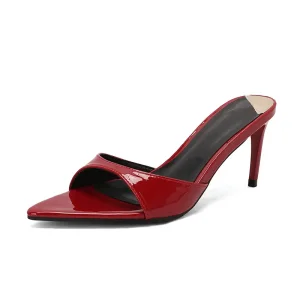
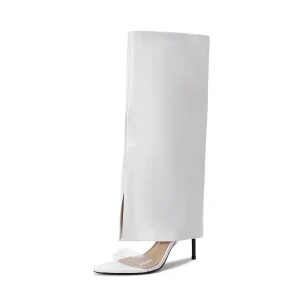
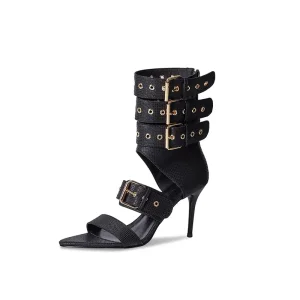
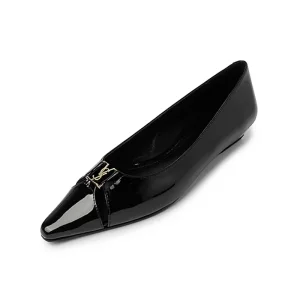
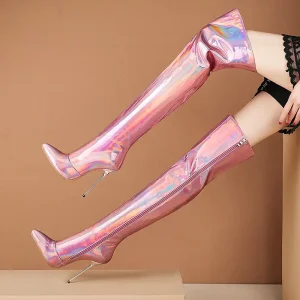
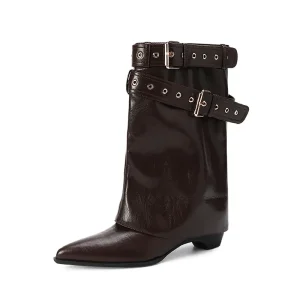
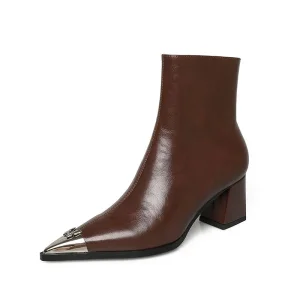
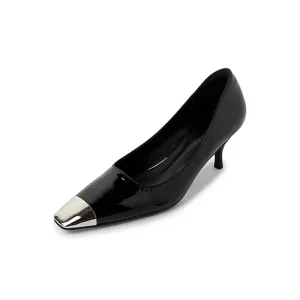
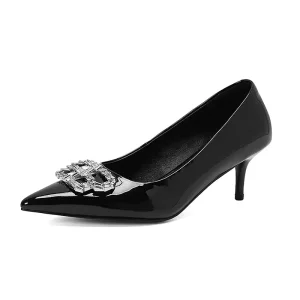
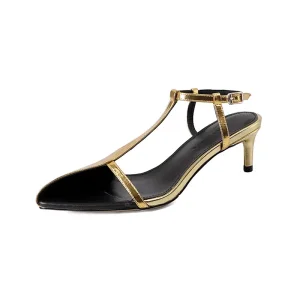
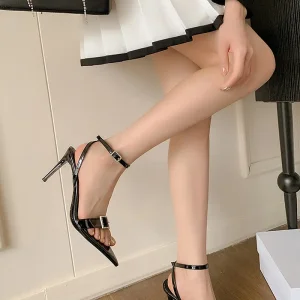
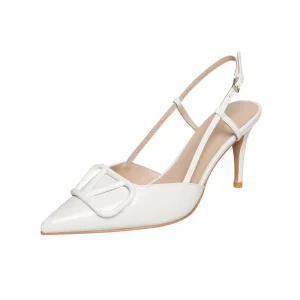
The Russian footwear market presents unique challenges and opportunities. Due to the diverse climatic conditions—ranging from harsh Siberian winters to humid continental summers—there is a distinct demand for footwear that balances "functional durability" with "aesthetic appeal."
Market Dynamics: Russian consumers show a high preference for high-quality, long-lasting leather materials. There is a growing trend towards "smart-casual" boots that can transition from office wear to evening events. Furthermore, B2B procurement in Russia has shifted towards direct manufacturer sourcing to bypass intermediaries, highlighting the necessity for reliable OEM partners in China.
The Competitive Edge: As a leading footwear manufacturer with over 30 years of experience, we provide the industrial capacity (300,000 pairs monthly) to meet large-scale retail demands in Russia, while our 30-pair MOQ supports emerging boutique brands. Our factory utilizes cutting-edge automated cutting and stitching technology to ensure each pair meets both EU and Eurasian Economic Union (EAEU) standards.
30+ Export Countries served with precision, providing localized styles for Russian and European markets.
Optimized supply chain reducing lead times by 20% compared to average industry benchmarks.
ISO-certified manufacturing processes with rigorous QC checks at every production stage.
A: Yes, we specialize in flexibility. Our 30-pair MOQ is designed to help new and existing brands test local market reactions without heavy inventory pressure.
A: We have extensive experience in international logistics. We work with specialized freight forwarders who understand the documentation and certification requirements (e.g., EAEU compliance) to ensure smooth clearance.
A: Absolutely. We offer options for high-grade fleece lining, wool interiors, and winterized rubber outsoles specifically designed for insulation and traction in snow and ice conditions.
A: For standard ODM models, we can complete production within 15-20 days. Custom OEM projects depend on design complexity, typically ranging from 30-45 days.
 Q.L. CODEX