In the competitive world of fashion, knowing the right "Heels For Boots" can set any retailer apart. Fashion expert Jane Thompson, who has over a decade of experience in footwear design, once said, "The right heel can transform an ordinary boot into a statement piece." There’s truth in her words. However, it's easy to overlook the impact that heels can have on both style and comfort.
Understanding the nuances of "Heels For Boots" is essential for global buyers. With a myriad of styles available, choosing the right heel can be daunting. For instance, chunky heels provide more stability, while stiletto heels add elegance. Each type offers distinct advantages, yet clashing fashion trends can lead to confusion. This creates a need for informed decisions when selecting the perfect heel.
Buyers must also consider the market's demands. Today’s consumers are searching for versatility, durability, and style. Yet, what works for one demographic may not work for another. It’s a constant balancing act. Navigating these challenges requires ongoing reflection and adaptability. When it comes to "Heels For Boots," it's important to remember that the choices you make should resonate with your target audience.
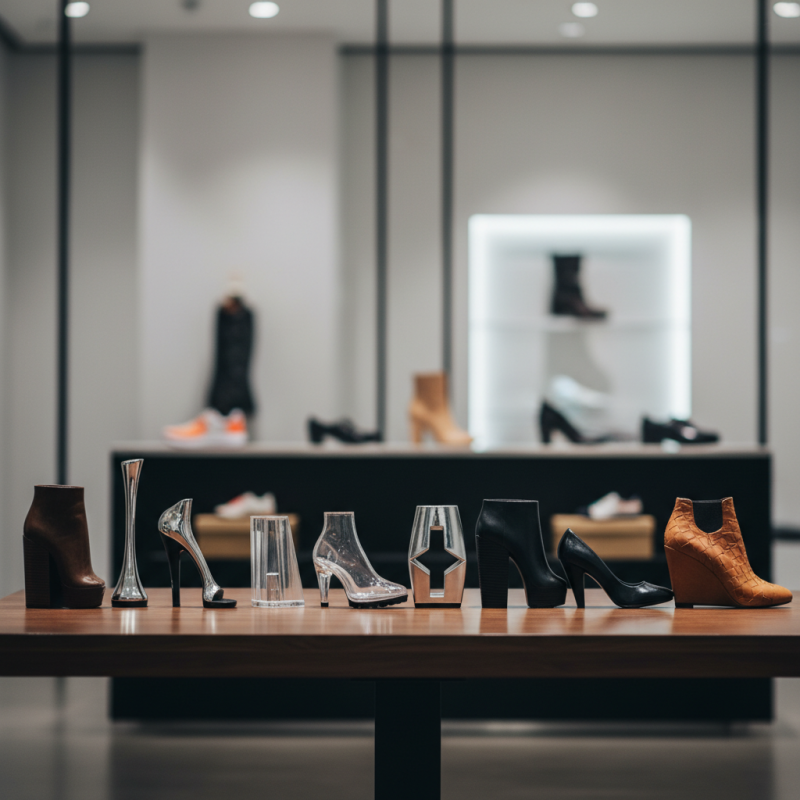
The fashion industry is constantly evolving, especially in footwear. One prominent trend is the heel styles for boots. A comprehensive analysis from the Footwear Industry Association highlights that boots with heels dominate 40% of the entire footwear market. This data reflects the growing consumer preference for both style and functionality.
Essential heel styles for boots include block heels, stiletto heels, and wedge heels. Block heels provide comfort and stability, ideal for day-long wear. Stiletto heels, while stylish, often require reconsideration for practical use. Wedge heels strike a balance, offering elevation without sacrificing comfort. Each style serves a unique purpose, and understanding these nuances is crucial for buyers.
Access to detailed trend reports reveals that ankle boots with varying heel types have gained significant traction. The rise of sustainability has also led to a demand for eco-friendly materials in heels. Conversations around ethical fashion are becoming more common. Despite the shifts, challenges remain in balancing trendiness and practicality. The need for innovation drives the market, prompting brands to rethink traditional approaches. This creates a dynamic space for new ideas and reflection on consumer needs.
When it comes to selecting the perfect heels for boots, heel height plays a crucial role in comfort and style. A lower heel, around one to two inches, offers stability for everyday wear. These are ideal for those who prioritize comfort without sacrificing fashion. As you navigate city streets or attend social gatherings, a lower heel can ease the strain on your feet.
On the other hand, heeled boots that rise to three inches or more provide an elegant silhouette. However, they require careful consideration. Many may find that extended wear leads to discomfort. Foot fatigue can set in quickly when heels are too high. It’s essential to listen to your body and reflect on what feels right for you.
Additionally, the shape of the heel influences overall comfort. A wider heel can provide better support, while stilettos may enhance a striking look but can be less forgiving. It’s vital to try different styles and heights to find where comfort meets your personal aesthetic. Every buyer must weigh functionality against visual appeal. The perfect heel should elevate not only your height but also your mood.
When choosing boot heels, the material plays a vital role in both aesthetics and functionality. Leather and synthetic options each offer unique advantages and drawbacks. Leather heels deliver a classic look and are known for their durability. They provide excellent support and can mold to the shape of the foot over time. However, they require maintenance to keep them in top condition. A weathered appearance may appeal to some but can be viewed as a flaw by others.
On the other hand, synthetic materials are often lighter and more affordable. They come in various colors and textures, allowing for creative designs. Synthetic heels can resist moisture, making them suitable for different weather conditions. Yet, they may not offer the same level of comfort and longevity as leather. The lack of breathability can lead to discomfort during prolonged wear. Thus, while exploring options, one must consider individual preferences and the intended use of the boots.
| Heel Type | Material | Durability (Years) | Comfort Level (1-10) | Price Range ($) |
|---|---|---|---|---|
| Stiletto | Leather | 3-5 | 7 | 100-250 |
| Block | Synthetic | 2-4 | 8 | 50-150 |
| Wedge | Leather | 4-6 | 9 | 80-200 |
| Kitten | Synthetic | 2-3 | 6 | 40-120 |
| Heeled Bootie | Leather | 3-5 | 7 | 90-220 |
| Platform | Synthetic | 3-5 | 8 | 70-180 |
| Chunky | Leather | 4-7 | 9 | 100-250 |
| Cone | Synthetic | 3-5 | 6 | 60-160 |
| Structured | Leather | 5-8 | 7 | 120-300 |
| Curved | Synthetic | 2-4 | 5 | 50-130 |
In 2023, heel design for boots has evolved significantly. Trends emphasize comfort alongside style. Chunky heels are gaining popularity due to their stability, making them ideal for everyday wear. These heels provide support while still enhancing the boot's aesthetic.
Another rising trend is the return of whimsical silhouettes. Curved and asymmetrical heels add a touch of creativity. They challenge traditional designs and allow for personal expression. Bold colors and unique textures also dominate the scene. This experimentation in materials showcases artisanship and draws attention.
However, the fast-paced trends can create dilemmas for buyers. It's essential to balance personal style with practicality. The newest designs may look appealing but may lack comfort. Always consider how a heel complements your lifestyle. Thoughtful choices can lead to lasting satisfaction.
Recent market research has revealed shifting consumer preferences in the boot heel segment. According to a report by Market Research Future, approximately 72% of consumers now prioritize comfort alongside style when selecting boots. This trend indicates that buyers are seeking heels that not only enhance their look but also provide all-day wearability.
The same report highlights that block heels and kitten heels are gaining popularity due to their stability and ease of wear. Additionally, about 58% of consumers express a strong preference for materials that offer breathability, such as leather and eco-friendly alternatives. The rise of sustainability in fashion has prompted consumers to become more discerning about the materials of their footwear.
However, despite these insights, some brands struggle to adapt quickly. There is a noticeable gap between consumer expectations and product offerings. Many brands still produce stilettos that lack comfort features, which can lead to dissatisfaction. It's crucial for brands to continually assess consumer feedback and innovate. Understanding these nuances can help in aligning product development with actual market demand.
: Comfort combined with style is a major trend. Chunky heels offer stability and aesthetic appeal for everyday wear.
Curved and asymmetrical heels bring creativity. They encourage personal expression and break traditional design norms.
They highlight artisanship and grab attention. Experimentation in materials can lead to standout footwear.
Around 72% of consumers want comfort along with style. They seek footwear that can be worn all day.
Block heels and kitten heels are gaining popularity. They provide ease of wear and support.
Many prefer breathable materials like leather and eco-friendly options. Sustainability has become a significant factor.
Some brands struggle to meet consumer expectations. There's a gap between comfort features and product offerings.
Brands producing uncomfortable stilettos can lead to frustration. Ignoring feedback may impact long-term consumer loyalty.
It's important to balance personal style with practicality. Always think about how a heel fits your lifestyle.
In the evolving fashion market, understanding the diverse styles of heels for boots is essential for global buyers. The article outlines the top 10 essential heel styles, emphasizing the significance of heel height in balancing comfort and style. It provides a comparative analysis of materials, particularly leather and synthetic options, which play a crucial role in the durability and aesthetic of boot heels.
Furthermore, the article highlights global trends in heel design, showcasing the most popular styles of 2023. Insights from recent market research shed light on consumer preferences, revealing the latest shifts in demand and style choices within the market. This comprehensive overview equips buyers with the knowledge needed to make informed decisions regarding heels for boots, ensuring they stay ahead in the competitive fashion landscape.

Q.L. CODEX