Top 10 Types of High Heel Boots for Global Buyers

Time:2026-09-11 Author:Charlotte
0%

High Heel Boots remain a powerful category in global footwear, combining elevation, protection, and visual character. Buyers may encounter ankle boots, knee-high styles, over-the-knee designs, platform boots, stiletto heels, block heels, wedge boots, sock boots, riding-inspired silhouettes, and winter-ready models. Each type serves a different customer, climate, and occasion.

Christian Louboutin, a leading footwear designer, once said, “A shoe has so much more to offer than just to walk.” This idea helps explain the market’s diversity. A sharp stiletto boot can support evening dressing, while a broad block heel may suit long city commutes. Soft leather, flexible synthetic materials, insulated linings, and textured rubber soles also influence purchasing decisions. Small details matter. A narrow toe box can create discomfort. A slippery outsole can reduce confidence on wet streets.

This guide, “Top 10 Types of High Heel Boots for Global Buyers,” examines these differences with practical buying conditions in mind. It considers heel stability, shaft height, sizing consistency, material quality, seasonal use, and supplier reliability. Buyers should also review product images carefully and request measurements before placing larger orders. No list can predict every foot. That limitation matters. Some recommendations may need adjustment for regional preferences, local weather, or different fitting standards. Responsible sourcing and transparent product information should remain part of every commercial decision. Good-looking boots are not enough. They must also perform reliably.
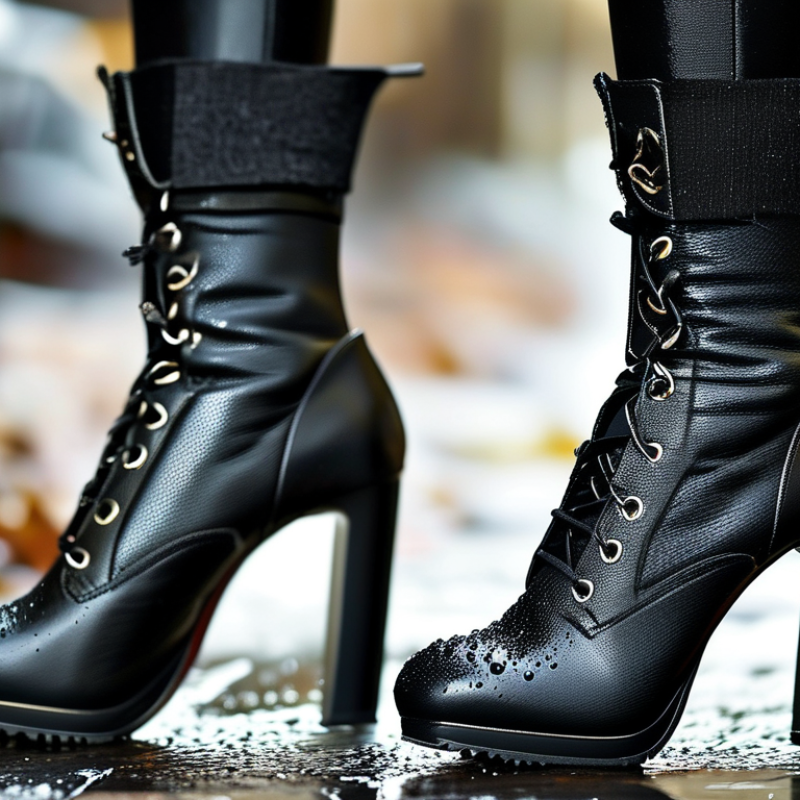
Top 10 Types of High Heel Boots for Global Buyers

High Heel Boot Basics: Height, Silhouette, and Heel Structure

High heel boots are easier to source when buyers separate three details: height, silhouette, and heel structure. Height changes posture, comfort, and market use. Low heels, usually below 5 cm, suit commuting and longer wear. Mid heels provide a sharper look without excessive strain. Very high heels create visual drama, but they demand stronger fitting control. That trade-off is easy to underestimate.

The main categories include stiletto, block, kitten, wedge, cone, flared, Cuban, stacked, platform, and sculptural heels. Each structure changes the boot’s visual balance. Stilettos look narrow and elegant, while block heels offer a broader contact area. Wedges distribute pressure differently across the sole. Platforms can reduce the angle under the foot, but they may increase weight. A rounded toe feels more forgiving than a pointed toe. Small shape changes matter.

Reliable buyers should inspect the heel joint, internal shank, outsole flex, and counter reinforcement. Ask for measurements, material details, and wear-test images from several angles. A glued heel may look clean, but attachment methods vary by construction. I have learned that a beautiful sample can still feel unstable after twenty minutes of walking. One fitting photo is never enough. Check size grading across markets, because foot volume and preferred fit can differ widely. Suppliers should explain their tolerances clearly, not hide them behind attractive photography.

Ankle Boots and Chelsea Boots: Compact Styles for Versatile Outfits

Ankle boots and Chelsea boots are compact high heel styles for buyers seeking flexible, city-ready footwear. Their shorter shafts pair easily with denim, tailored trousers, skirts, and midi dresses. A stable heel between 5 and 8 centimeters often balances elegance with everyday movement. Slim heels look refined, but wider heels usually support longer walking hours.

During product evaluation, check the heel attachment, inner cushioning, and outsole grip. These details matter more than a polished product photo. Chelsea boots should stretch comfortably across the instep without squeezing the toes. Elastic side panels need firm recovery after repeated use. Ankle boots with side zippers should open smoothly and remain secure while walking.

Material choice also affects global sales. Smooth leather offers structure, while flexible synthetic materials can reduce cost and simplify care. Breathable linings may suit warmer markets, but insulated interiors help in colder regions. Water resistance is useful, although it should never be confused with full waterproof protection. A common mistake is judging fit by length alone. Foot width, sock thickness, and heel placement can change comfort quickly. Small differences matter. Buyers should request size charts, wear-test notes, and clear photos of the sole before placing larger orders.

Sock Boots and Cowboy Boots: Close-Fit and Western-Inspired Designs

Sock boots use elastic knit, stretch leather, or flexible textile panels around the ankle and calf. Their close-fit shape follows the leg without bulky folds. The silhouette looks clean. For global buyers, accurate measurements matter more than a standard size label. Check calf circumference, ankle width, shaft height, and foot length separately. A narrow opening may feel elegant but become difficult after several hours. In sample evaluations, I have found that soft lining and a stable heel affect comfort more than appearance alone. Buyers should request stretch recovery tests, seam photos, and wear samples before placing larger orders.

Cowboy boots bring western-inspired character through pointed toes, angled heels, stitched shafts, and decorative pull tabs. Traditional styling can work with denim, skirts, or simple workwear. However, the toe shape must leave enough room for natural movement. A dramatic point may photograph well but disappoint during daily wear. I once underestimated this issue when judging a sample only by its side profile. That was a useful mistake. Look for firm heel counters, smooth interior edges, and soles with dependable traction. Material descriptions should be specific, including fiber content, lining composition, and finishing methods. Suppliers with clear inspection records and consistent size charts are easier to evaluate across markets. Local climate also matters; humid regions may need breathable linings and moisture-resistant construction. Trends change quickly. Fit problems remain.

Top 10 Types of High Heel Boots for Global Buyers - Sock Boots and Cowboy Boots: Close-Fit and Western-Inspired Designs
Rank Boot Type Typical Shaft Profile Common Heel Height Toe Shape Closure & Fit Best Use & Buyer Appeal Key Sourcing Considerations
1 Sock Boots Close-fitting, stretchy shaft that follows the calf and ankle. 5–10 cm
2–4 in
Pointed, almond, or square. Usually pull-on; elastic textile or stretch leather improves close fit. Popular for streamlined outfits, office styling, evening wear, and transitional seasons. Check stretch recovery, seam strength, lining comfort, and accurate calf measurements.
2 Cowboy Boots Mid-calf or knee-high shaft with a structured Western silhouette. 4–7 cm
1.5–2.75 in
Pointed, snip, or rounded. Traditionally pull-on with side tabs; fitted instep and looser shaft. Western-inspired fashion, festivals, casual wear, and durable everyday styling. Evaluate shaft circumference, pull-on entry, outsole grip, stitching, and decorative stability.
3 Ankle Boots Short shaft ending around or just above the ankle. 5–10 cm
2–4 in
Pointed, almond, round, or square. Side zip, back zip, lace-up, or elastic panels. Highly versatile for urban, work, travel, and year-round wardrobe collections. Prioritize easy entry, ankle padding, outsole flexibility, and compatibility with different trousers.
4 Knee-High Heeled Boots Structured shaft extending to just below the knee. 5–9 cm
2–3.5 in
Almond, round, or narrow pointed. Full-length side zip is common; some styles use stretch panels. Suitable for dresses, skirts, tailored outfits, cooler weather, and elevated everyday wear. Offer multiple calf widths where possible and verify zip durability and shaft height grading.
5 Over-the-Knee Boots Long shaft reaching above the knee, often with stretch for secure positioning. 7–12 cm
2.75–4.75 in
Pointed, almond, or rounded. Pull-on stretch construction or side zip; close thigh fit is important. Statement fashion, evening looks, cold-weather layering, and trend-led collections. Check thigh circumference, anti-slip features, lining warmth, sitting comfort, and shaft stability.
6 Platform Heeled Boots Ankle, mid-calf, or knee-high shaft paired with a raised forefoot platform. 8–13 cm
3–5 in total height
Round, square, or chunky almond. Side zip, lace-up, or buckle closure; platform reduces the effective pitch. Offers dramatic height and bold styling for nightlife, concerts, and fashion-forward buyers. Assess overall weight, platform balance, flex points, traction, and secure fastening.
7 Block-Heel Boots Usually ankle or knee-high with a wider, stable heel base. 4–8 cm
1.5–3.25 in
Round, almond, or square. Zip, elastic gore, buckle, or lace-up designs. Balances style and stability for commuting, workwear, shopping, and extended standing. Compare heel contact area, forefoot cushioning, tread pattern, and total boot weight.
8 Stiletto-Heel Boots Close or structured shaft, commonly ankle, knee-high, or over-the-knee. 8–12 cm
3–4.75 in
Typically pointed or narrow almond. Side zip, back zip, or pull-on stretch construction. Designed for formal events, evening outfits, editorial fashion, and premium-looking silhouettes. Inspect heel attachment, shank support, toe pressure, balance, and protective heel tips.
9 Lace-Up Heeled Boots Ankle to knee-high shaft with adjustable fastening across the instep or calf. 4–9 cm
1.5–3.5 in
Round, almond, or combat-inspired square. Eyelets and laces; an inner zip may provide faster entry. Appeals to buyers seeking adjustable fit, utilitarian styling, and stronger ankle support. Check eyelet reinforcement, lace length, tongue position, zip quality, and outsole traction.
10 Peep-Toe or Open-Toe Boots Usually ankle or lower-calf with an open toe and a fashion-focused shaft. 6–11 cm
2.25–4.25 in
Open toe, often with a tapered or almond-shaped vamp. Side zip, back zip, lace-up, or adjustable buckle. Best suited to warm-weather evening wear, parties, resort styling, and transitional fashion. Review toe-edge finishing, ventilation, foot security, outsole grip, and regional climate suitability.

Knee-High Boots and Riding Boots: Structured Styles with Extended Coverage

For global buyers, knee-high and riding boots offer more than seasonal appeal. Their extended coverage protects the lower leg and creates a clean, structured silhouette. In fittings, I examine shaft height, calf width, and ankle movement. A boot can look elegant yet pinch after ten minutes. That detail matters. Knee-high styles usually end below the knee, while riding boots often use firmer shafts and practical soles. Both require balanced construction. The upper should resist creasing, and the lining should feel smooth against bare skin.

Material choice affects comfort, durability, and purchasing risk. Full-grain leather can develop character, but it needs care and may vary slightly in texture. Synthetic options offer consistent color and easier maintenance. Neither choice is automatically better. Buyers should request material specifications, size charts, shaft measurements, and clear photos of hardware and stitching. I also check heel stability on a hard floor, especially when a boot has a narrow heel. Small defects become expensive across international shipments. Packaging should protect the shaft from folding, moisture, and crushing.

Riding-inspired designs often pair a low heel with a rounded or almond toe. This shape supports longer wear and suits commuting, travel, and polished workwear. Knee-high boots with block heels create stronger visual height, but their fit must allow sitting and walking. I once underestimated calf comfort when reviewing a sharply tailored sample. It looked excellent on a stand and felt restrictive in motion. That mistake remains useful. Reliable sourcing depends on testing movement, checking construction records, and confirming consistent measurements across production batches. Regional climate also deserves attention, since lining and sole choices behave differently in humid or cold markets.

Top 10 Types of High Heel Boots for Global Buyers

Typical heel height by structured boot style, highlighting knee-high and riding boots with extended coverage.

Values represent common retail specifications and are intended for product comparison; actual heel heights vary by design, size, and market.

Over-the-Knee, Thigh-High, Platform, and Wedge-Heel Boots

Over-the-knee boots extend above the knee and create a long, streamlined silhouette. They suit buyers seeking warmth, coverage, and a dramatic fashion statement.

Thigh-high boots reach farther up the leg, often near mid-thigh. Their fit depends heavily on stretch, shaft width, and the wearer’s thigh measurement. Request detailed size charts before ordering. Small measurement errors matter.

Platform boots add height while keeping the foot angle more moderate than slim high heels. They can feel stable, but heavy soles may affect walking comfort and shipping costs.

Wedge-heel boots use one continuous heel shape, spreading pressure across more of the foot. This design often supports longer wear on smooth streets. Wet pavement still requires caution. Try them indoors.

For global buyers, material selection should match the destination climate. Soft leather may mold well, while synthetic uppers can offer easier maintenance. Check lining, zipper quality, sole grip, and packing protection.

A common buying mistake is choosing heel height before checking calf and thigh measurements. I have seen attractive samples fail because the upper edge pinched while walking. That detail is easy to overlook.

Ask suppliers for real product photos, tolerance ranges, and clear conversion charts. Heel comfort also varies between markets and customers, so one fitting standard cannot suit every region.

FAQS

: How should buyers compare high heel boots?

: Compare shaft height, silhouette, and heel structure. Height changes posture and comfort. Low heels suit commuting and longer wear. Very high heels create stronger visual drama. They also require careful fitting. That trade-off is easy to underestimate.

Which heel structures offer better stability?

Block heels provide a broader contact area. Wedge heels spread pressure across more of the sole. Stilettos look narrow and elegant, but feel less forgiving. Platforms can reduce the foot angle. However, heavy soles may affect walking comfort. Stable is not always light.

What construction details should buyers inspect?

Check the heel joint, internal shank, outsole flex, and counter reinforcement. Examine stitching and attachment methods closely. A clean glued heel may still feel unstable. Test it on a hard floor. One photo is never enough.

How can buyers assess knee-high and riding boots?

Measure shaft height, calf width, and ankle movement. The upper should resist excessive creasing. The lining should feel smooth against bare skin. Riding-style boots often use firmer shafts and practical soles. Try sitting and walking. Standing still can mislead.

What materials suit different markets?

Full-grain leather may develop character over time. Its texture can vary slightly. Synthetic materials usually provide consistent color and easier maintenance. Neither option is automatically better. Match the material with climate and care expectations. Humidity changes the risk.

What should buyers check for over-the-knee boots?

Measure thigh width, shaft width, and stretch carefully. Small errors can cause pinching above the knee. Ask for detailed size charts and tolerance ranges. Check whether the upper stays in place during movement. A mannequin cannot test this.

Are platform and wedge boots comfortable for long wear?

Platforms may soften the foot angle under high heels. Their heavier soles can increase fatigue and shipping costs. Wedges distribute pressure more evenly across the foot. They may suit longer wear on smooth streets. Wet pavement still requires caution. Try them indoors first.

How should buyers reduce fitting and shipment problems?

Request measurements, conversion charts, material details, and real product photos. Ask for wear-test images from several angles. Confirm calf and thigh measurements before choosing heel height. Protect shafts from folding, moisture, and crushing during packing. Check production tolerances across batches. I once trusted a beautiful sample too quickly.

Conclusion

High Heel Boots come in a wide range of shapes, heights, and heel structures, making them suitable for different outfits, seasons, and comfort preferences. Key factors include heel height, toe shape, shaft length, and overall silhouette. Ankle boots and Chelsea boots offer compact, versatile designs that pair easily with trousers, skirts, and casual clothing. Sock boots provide a close, flexible fit, while cowboy boots add a distinctive Western-inspired character through their shaped shafts and angled heels.

For greater coverage, knee-high boots and riding boots feature structured designs that support polished everyday looks. Over-the-knee and thigh-high boots create a bold, elongated silhouette, while platform boots add height with extra support under the front of the foot. Wedge-heel boots provide a more continuous base and may offer increased stability compared with narrow heels. By comparing these styles, buyers can select High Heel Boots based on appearance, coverage, fit, walking comfort, and intended use.


Charlotte

Charlotte

Charlotte is a seasoned marketing professional with a deep understanding of the company's portfolio and a passion for elevating its presence in the market. With a keen eye for detail and a commitment to excellence, she ensures that our professional blog is regularly updated with insightful articles......