Essential Tips for Sourcing High Quality Boots Shoe Products?

Time:2026-06-16 Author:Isabella
0%

In the competitive world of Boots Shoe products, sourcing high-quality materials is crucial. Peter Thompson, a renowned industry expert, emphasizes, "Quality defines a brand’s reputation." This insight highlights the importance of selecting reliable suppliers and sustainable materials.

The Boots Shoe industry demands attention to detail. From the stitching to the sole, every component matters. Sourcing should involve thorough assessments of potential suppliers. Look for those with proven track records. Be prepared to evaluate samples critically. Each boot or shoe tells a story of craftsmanship.

However, challenges in finding the right products often arise. It's easy to get distracted by cost over quality. Keeping a balance is essential. Continuous reflection on sourcing strategies can lead to improvement. Investing time in building relationships with vendors is worth it. Quality leads to customer loyalty and brand recognition.
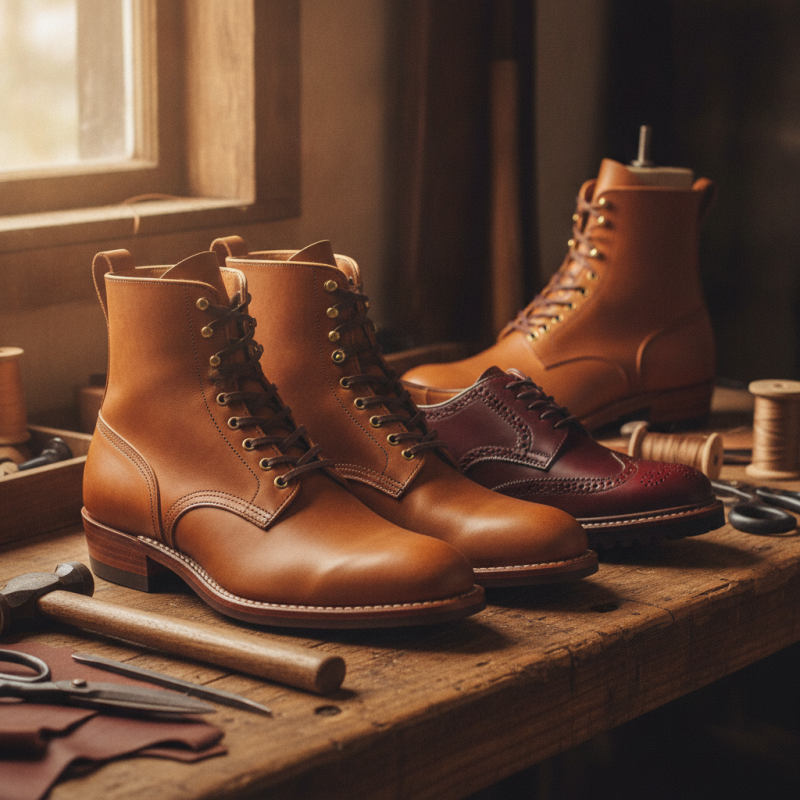
Essential Tips for Sourcing High Quality Boots Shoe Products?

Understanding the Different Types of Boots and Shoe Materials

When sourcing high-quality boots and shoes, understanding materials is key. Leather is a timeless favorite. It provides durability and elegance. Full-grain leather stands out for its density and longevity. The texture improves with age, developing a unique patina. However, not every leather type is created equal. Some lower grades wear out quickly. It’s essential to differentiate and invest wisely.

Synthetic materials have gained popularity too. They often mimic leather while being lighter and easier to maintain. However, they may not provide the same breathability. Fabrics like nylon and canvas are affordable options but can lack durability. They often require reflection on your specific needs—style versus longevity.

Rubber soles also deserve attention. They offer stability and traction. A well-constructed sole can make a significant difference in comfort. Choosing the right combination of materials is crucial. Make sure your selection aligns with the intended use. Consider where and how often you’ll wear the boots. This thought process can help avoid overspending on items that won’t meet your expectations.

Evaluating Quality: Key Features to Look for in Footwear

When evaluating the quality of boots and shoe products, several key features stand out. First, the materials used play a crucial role. Look for durable, breathable fabrics that offer comfort and longevity. Leather is often a favorite due to its natural strength, but synthetic options can be equally impressive. Pay attention to the stitching as well; fine, even stitches indicate better craftsmanship.

The sole of the shoe is another essential aspect. A quality sole should provide both support and traction. Rubber soles offer good grip on various surfaces. Additionally, flexibility is important. You want shoes that move with your foot, not against it. Test the bendability gently. Shoes that feel rigid may not serve well long-term.

In assessing the fit, don’t rush. A proper fit ensures comfort during wear. Consider your foot shape; not all shoes will cater to every foot type. It is common to make a mistake in size, especially when shopping online. Always check return policies. Quality footwear may come with a higher price tag but reflects its true worth over time. So, invest wisely.

Essential Tips for Sourcing High Quality Boots and Shoe Products - Evaluating Quality: Key Features to Look for in Footwear

Feature Description Importance
Material The type of material used can affect durability and comfort. Leather, suede, and synthetic options are common. High
Construction Method Look for Goodyear welted or Blake stitched methods for increased durability and craftsmanship. High
Footbed Quality shoes often have cushioned footbeds to provide support and comfort. Medium
Sole Type Check if the sole is rubber, leather, or synthetic. Rubber soles provide better grip. Medium
Fit and Sizing Ensure the shoes fit comfortably; consider both length and width. High
Design and Style The aesthetic appeal can reflect personal style and suitable for various occasions. Low
Price Higher price often correlates with better quality materials and craftsmanship. Medium

Sourcing Best Practices: Finding Reputable Suppliers and Brands

Sourcing high-quality boot and shoe products is a critical task for retailers. Finding reputable suppliers can significantly impact your brand's reputation and customer satisfaction. Research shows that 72% of customers value quality over price in footwear. Therefore, it is essential to focus on suppliers known for their craftsmanship and reliability.

To identify reputable suppliers, consider attending industry trade shows. These events allow you to meet potential partners face-to-face. According to a recent industry report, 65% of successful retailers cite networking at such events as crucial to their sourcing strategy.
Online platforms can also be valuable. Look for reviews and testimonials from other buyers. A supplier's track record speaks volumes about their reliability.

Another aspect often overlooked is the importance of maintaining clear communication. Misunderstandings lead to errors in order fulfillment. A study found that 40% of sourcing issues stem from poor communication.
Engaging with suppliers regularly fosters transparency. This collaboration can help address any issues promptly and improve product quality over time, reinforcing the value of a stable supplier relationship.

Assessing Fit and Comfort: Importance of Proper Sizing in Boots

When shopping for boots, proper sizing is crucial. Many overlook this aspect, leading to discomfort and poor performance. A well-fitted boot supports the foot's natural shape. It minimizes blisters and soreness during wear. Factors like arch support and toe room play a vital role. Measure your foot size regularly. Feet can change over time due to various factors.

Try on boots at the end of the day. Your feet swell slightly, making it a more accurate fitting. Walk around the store to assess comfort. Pay attention to any tight areas. If discomfort arises quickly, keep looking. Consider the type of socks you’ll wear too. Thick or thin socks can significantly alter the fit. Reflect on your past experiences with footwear. Did you choose a size based on styles rather than comfort? A tight boot may look good but will not serve you well on long walks.

Choosing the right size is not just about style; it's about health. Poorly fitting boots can impact your posture and lead to long-term issues. Give yourself enough time to find the right fit. Be willing to walk away from a sale if the boot does not feel right. Confidence in your footwear comes from knowing they fit well and support your activities.

Sustainability in Footwear: Choosing Eco-Friendly Options for Your Needs

Sustainable footwear options are gaining popularity. Many consumers seek eco-friendly choices for their footwear needs. This shift not only helps the environment but also promotes ethical manufacturing practices. Conscious consumers want to know where their shoes come from. Transparency in production is crucial. Brands that disclose their materials and processes build trust.

Natural materials like organic cotton and recycled rubber are good choices. They reduce the carbon footprint of production. Look for boots made from vegan leather or reclaimed materials. These options often use fewer resources. However, not all products labeled "eco-friendly" are truly sustainable. Consumers should scrutinize certifications and material sourcing. It can be challenging to differentiate between genuine and greenwashed products.

Mindful purchasing is essential. Researching companies and understanding their values can lead to better choices. Connect with communities that share these values. Online forums can provide insights. Sharing experiences can help others navigate the sustainable footwear landscape. This is a collective journey, and everyone has a role to play.

FAQS

: Why is sourcing high-quality footwear essential for retailers?

: High-quality footwear impacts brand reputation and customer satisfaction, with 72% of customers prioritizing quality over price.

How can retailers find reputable suppliers?

Retailers should attend industry trade shows and leverage online platforms to assess reviews and track records.

What role does communication play in sourcing?

Clear communication prevents misunderstandings, as 40% of sourcing issues stem from poor interactions with suppliers.

Why are sustainable footwear options becoming popular?

Consumers increasingly seek eco-friendly choices that support ethical manufacturing and environmental sustainability.

What materials should be sought for eco-friendly footwear?

Natural materials like organic cotton, recycled rubber, and vegan leather are preferable for reducing the carbon footprint.

How can consumers ensure they are choosing truly sustainable products?

Scrutinizing certifications and material sourcing is vital to identify genuine eco-friendly products versus greenwashing.

What is the importance of transparency in footwear production?

Transparency helps build trust with consumers, as they want to know the origins of their footwear.

How can mindful purchasing impact the footwear market?

Mindful purchasing encourages consumers to research companies and promote shared values, leading to better choices.

What challenges do consumers face in finding sustainable footwear?

Differentiating genuine products from misleading ones can be complex in the eco-friendly market.

How can communities help promote sustainable footwear choices?

Online forums and shared experiences support individuals in navigating the sustainable footwear landscape together.

Conclusion

When sourcing high quality boots shoe products, it's essential to understand the various types of materials used in their construction, as each offers different benefits and durability. Evaluating the quality of footwear involves paying attention to key features such as stitching, soles, and insulation. To ensure you find reputable suppliers and brands, it's crucial to adopt best sourcing practices, which can include researching customer reviews and seeking recommendations.

Fit and comfort play a vital role in the selection of boots shoe; proper sizing can significantly impact your overall experience. Moreover, with the increasing emphasis on sustainability, choosing eco-friendly options is becoming more important for many consumers. By keeping these tips in mind, you can make informed decisions and find the perfect boots shoe that meet both your functional and ethical needs.


Isabella

Isabella

Isabella is a dedicated marketing professional with a sharp focus on driving brand growth and engagement through strategic content creation. With an extensive background in digital marketing, she combines her passion for storytelling with her keen understanding of industry trends to deliver......