Choosing the right pair of Women High Heel Boots can greatly impact comfort and style. Research indicates that over 80% of women experience foot pain from wearing heels. This statistic highlights the importance of selecting boots that offer both aesthetic appeal and support. A recent report from the American Orthopaedic Foot & Ankle Society shows that improper footwear is a leading cause of long-term foot problems.
When considering Women High Heel Boots, several factors play a crucial role. Heel height, arch support, and material can make a significant difference in comfort levels. A boot with a lower heel might look less glamorous but could save you from discomfort during extended wear. Many fashion-forward women find it challenging to balance style and comfort, often opting for looks that sacrifice foot health.
Finding the ideal Women High Heel Boots requires reflection. It's essential to prioritize comfort over appearance while still achieving a desired look. Don't hesitate to experiment with various styles and fits to find what works best for your feet. Ignoring discomfort in pursuit of fashion may lead to larger issues down the road.
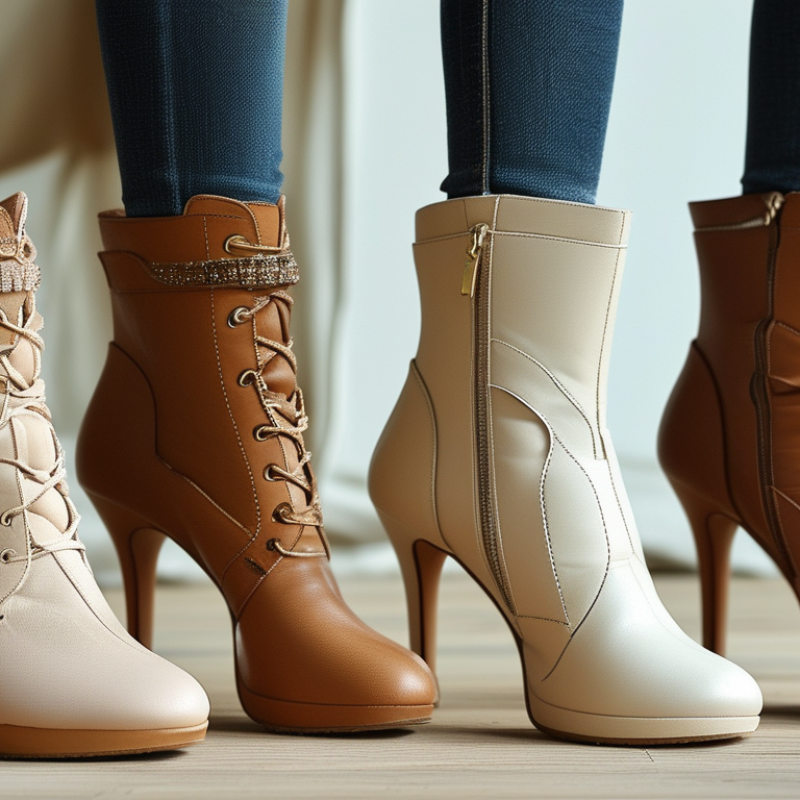
Choosing women’s high heel boots often emphasizes style over comfort. Many forget that comfort plays a pivotal role in one’s overall experience. High heels can be beautiful but should not cause pain. Pain can ruin an otherwise perfect outfit.
One crucial aspect is the fit. Boots should snugly hug your foot without causing pressure or discomfort. A boot that fits well allows for movement without restriction. Consider the materials too. Leather might mold to your foot shape over time, providing a more customized feel.
Height matters as well. Very high heels can lead to foot fatigue. Opt for a moderate heel height when selecting your pair. Cushioning can also enhance comfort. Some boots have built-in arch support, making longer wear more enjoyable. Often, buyers overlook the importance of trying boots on. Walk around the store, test their comfort before purchasing.
Choosing the right high heel boots emphasizes comfort without compromising style. High heel boot design, specifically for women, has evolved significantly. According to a 2022 report by the American Podiatric Medical Association, around 71% of women experience foot pain due to inadequate footwear. Understanding the key features of comfort-focused boots becomes essential.
Firstly, consider the heel height. A moderate heel, usually between 2 to 3 inches, offers elegance and reduces strain on the feet. Additionally, proper arch support is vital. Many designs now incorporate cushioned insoles and contoured footbeds, enhancing comfort. Research shows that footwear with a proper arch can alleviate common issues like plantar fasciitis.
It's also important to note the material. Soft leather or high-quality synthetic fabrics can provide both flexibility and breathability. When shoe materials don't allow the feet to breathe, discomfort can arise quickly. Look for boots with moisture-wicking linings or those that provide extra padding in sensitive areas.
Tips: Always try boots on and walk in them before purchasing. This allows you to gauge their comfort level. Don’t shy away from sizes or styles that feel right, even if they are different from your usual choices. Consider getting orthotic inserts for additional support.
When selecting high heel boots, the materials and construction make a significant difference in comfort. Look for boots made from genuine leather. It molds to the shape of your foot over time. This natural material offers breathability, reducing sweat and moisture.
Another element to consider is the insole. A cushioned insole provides essential support. It absorbs shock, making each step less strenuous. Opt for boots with memory foam insoles. They conform to your feet, enhancing comfort.
Tips: Check for flexibility in the sole. Stiff boots can lead to discomfort and fatigue. A flexible sole adapts to your movement. Also, examine the seam construction. Boots with flat-seam designs reduce chafing. Ultimately, every feature matters when choosing high heel boots. Stay aware of how these details impact your overall experience.
Choosing the right high heel boots involves focusing significantly on sizing and fit. A well-fitted boot enhances comfort and allows for extended wear without pain. Many women overlook this critical aspect, leading to discomfort and frustration. It's essential to measure both feet, as size can vary. Make sure to try on boots at the end of the day when feet tend to swell. This simple strategy can offer a more accurate fit.
Consider the shape of your foot too. Some women have wider or narrower feet, which can affect overall comfort. When trying on boots, walk around the store to test how they feel. Pay attention to pressure points, especially around the toe area and the arch. High-heeled boots should provide support without pinching. If they feel too tight, they likely are.
Not every style suits everyone. Some may find stiletto heels challenging, while others experience discomfort from chunky heels. The right heel height is also key. A boot that's the perfect size but has an impractical heel height can lead to strain. Reflecting on your personal preferences and daily activities can guide you to the most comfortable choice.
In recent years, the footwear industry has experienced a significant shift towards comfort-driven designs for women’s high heel boots. This change reflects a growing recognition of the need for both style and comfort. Many women face challenges with traditional high heels, leading to discomfort during long use. Designers are now prioritizing ergonomic features without compromising on the aesthetic appeal.
Current trends highlight innovative materials and construction techniques. Breathable fabrics, cushioned insoles, and supportive arches are becoming standard. This evolution caters to the needs of busy women who require their footwear to perform well in various settings. However, comfort doesn’t always mean sacrificing height or style. Some designs cleverly blend trendy elements with practicality.
Still, challenges remain. Some comfort-driven boots may lack the sleek silhouette classic heels offer. Women often have to navigate their choices, balancing elegance with comfort. Not every design will suit every foot type, leading to a personal journey of trial and error. Ultimately, the rise in demand for comfort-driven footwear is reshaping what it means to wear high heel boots. It encourages women to rethink their choices and find the perfect blend of style and comfort.
| Feature | Description | Importance Rating (1-5) |
|---|---|---|
| Arch Support | Provides support to the arch of the foot, reducing strain during wear. | 5 |
| Cushioned Insole | Soft padding inside the boot for added comfort throughout the day. | 5 |
| Heel Height | Moderate heel height for style without sacrificing comfort. | 4 |
| Material Flexibility | The material should allow for proper foot movement and comfort. | 4 |
| Footbed Design | Anatomically designed footbeds for optimum comfort. | 5 |
| Breathability | Materials that allow air circulation to reduce moisture and heat. | 4 |
: A moderate heel height of 2 to 3 inches is recommended for comfort.
Proper arch support can alleviate discomfort and conditions, like plantar fasciitis.
Soft leather or quality synthetics provide flexibility and allow breathing.
Measure both feet and try them on at day's end when they are slightly swollen.
If they pinch or feel restrictive, they are likely too small for you.
Walk around and pay attention to pressure points, especially near toes and arches.
No, styles like stilettos may not suit everyone, depending on personal comfort.
Don’t hesitate to try different sizes or styles that feel more comfortable.
Yes, orthotic inserts can provide additional support and enhance overall comfort.
Yes, personal preferences and activities can significantly influence comfort choices.
In today's fashion landscape, comfort has become a crucial factor when choosing Women High Heel Boots. Understanding the importance of comfort reveals that these boots should not only elevate one's style but also support daily activities without causing discomfort. Key features that enhance comfort in high heel boot design include adequate cushioning, arch support, and a stable heel height, ensuring that wearers can enjoy their footwear without compromising on comfort.
Additionally, the selection of materials and construction techniques plays a significant role in achieving optimal comfort. High-quality leather, breathable fabrics, and flexible soles contribute to an enjoyable wearing experience. Sizing and fit are also paramount; a well-fitted boot can prevent common issues such as blisters and pinching. As trends shift towards comfort-driven footwear, women can now confidently embrace high heel boots that blend style and comfort seamlessly, catering to both fashion and practicality in their everyday lives.

Q.L. CODEX