Finding the right shoes and boots can transform your outfit and improve your comfort. The array of options can be overwhelming. From elegant heels to rugged boots, the choices vary for each occasion. Shoes and boots are not just functional; they reflect your style.
However, choosing wisely involves understanding your needs. Are you attending a wedding or hiking in the woods? Each event calls for specific footwear. It’s vital to prioritize both style and comfort. Quality materials enhance longevity and support. Yet, many overlook the importance of fit, leading to discomfort.
This guide will help you navigate the footwear landscape. Whether you seek daily comfort or a statement piece, you’ll discover options that suit you. Remember, every pair tells a story. Make sure yours speak volumes.
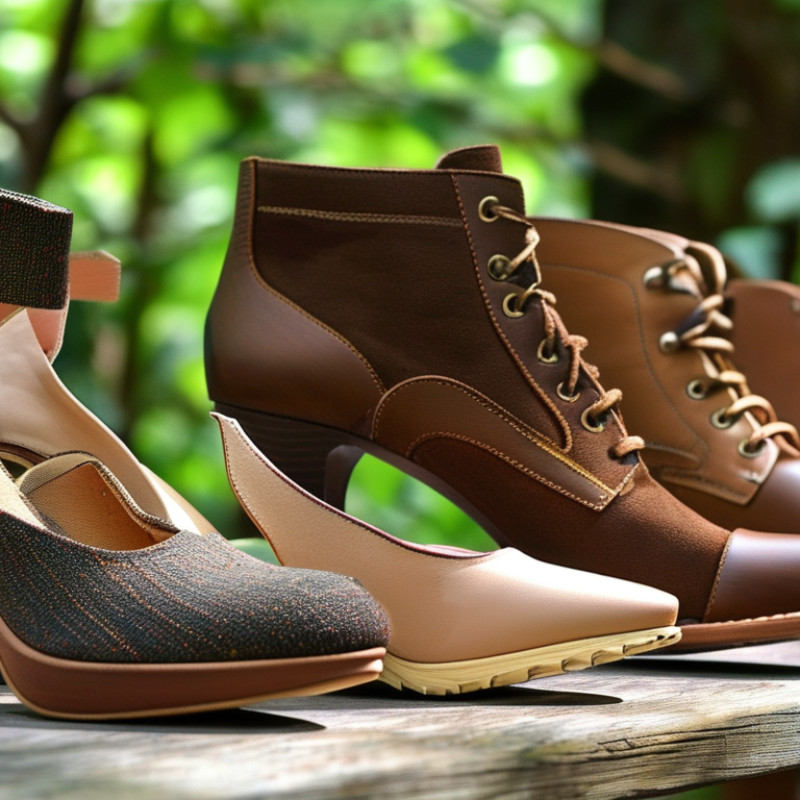
When it comes to business formal footwear, comfort is as crucial as style. A recent survey by the American Podiatric Medical Association found that 73% of people experience foot discomfort at work. This highlights the importance of selecting shoes that blend both aesthetics and functionality.
Materials like leather and supportive insoles can make a significant difference. However, many still favor looks over comfort, leading to fatigue by midday.
The right fit is equally important. A study by the Journal of Occupational and Environmental Medicine suggests that poorly fitted shoes can lead to decreased productivity. Many professionals overlook this. In an ideal scenario, shoes should provide support without sacrificing style. Weight is another factor; lighter shoes often promote better circulation and reduce fatigue.
Choosing versatile options ensures practicality. Classic designs may remain timeless, but they must also adapt to modern standards. Yet, the industry often celebrates flashy designs, which might compromise wearability. Balancing current trends with comfort and practicality is an ongoing challenge for many. The right footwear can not only elevate an outfit but also enhance overall performance in the workplace.
When choosing sneakers for everyday use, comfort and style are key. A well-fitted sneaker can enhance your daily activities. Breathable materials help keep your feet fresh. Look for features like cushioned soles for support. Versatile colors allow you to pair them with various outfits.
Tips: Always try the sneakers on. Walk around the store to check for comfort. Give your feet time to adjust to new shoes. If they pinch, reconsider your choice.
Quality matters. A good sneaker lasts longer and protects your feet. Look for durable materials, even if they come with a higher price tag. It's worth investing in footwear that supports your lifestyle.
Remember, no shoe is perfect. You may encounter blisters during the break-in period. Reflect on your activity level and foot shape before making a purchase. Realize that the right sneaker is one that complements your needs and personal style.
When selecting hiking boots, understanding key features is crucial for optimal performance. A recent study from the American Hiking Society highlighted that over 70% of hikers reported foot pain due to improper footwear. Comfort is paramount; boots should fit well without pinching. Look for a breathable upper material, as this can significantly reduce moisture build-up. Waterproof options are also important for wet climates.
Traction is another critical factor. Research indicates that boots with deeper lugs offer better grip on varied terrains. A Vibram sole can enhance stability on slippery surfaces. Additionally, ankle support should not be overlooked; boots with a mid-cut design can help prevent sprains during treks. However, it's essential to balance support with flexibility, which can vary based on trail conditions.
Many hikers often focus solely on weight, assuming lighter boots are always better. Yet, a sturdy boot may offer greater protection from rocks and roots. It's worth noting that a well-cushioned insole can mitigate fatigue, especially on longer hikes. Therefore, it’s not just about choosing a popular model; one should consider personal needs and hiking styles. Adjusting expectations around boot performance can lead to more enjoyable outdoor experiences.
When selecting dress boots, understanding leather types is crucial. Full-grain leather is the highest quality. It offers durability and age beautifully. This kind of leather retains the original texture, giving each pair a unique look over time. On the other hand, top-grain leather is more common and easier to maintain. It has a smoother finish, but it may not last as long as full-grain options.
Caring for leather involves routine maintenance. Regular cleaning with a damp cloth keeps dirt at bay. Conditioning is necessary to maintain the leather’s suppleness. However, many overlook this step, leading to dryness and cracks. Waterproofing treatments can also protect boots from moisture. Invest time in these routines; they extend the life of your footwear.
Choosing the right leather requires consideration of your lifestyle. If you wear boots daily, sturdiness is key. For occasional wear, aesthetics might matter more. Reflecting on how often you'll wear them guides your choice. Not every boot works for every occasion, and that’s okay. Embrace the imperfections and find a style that suits you best.
Selecting the right footwear for various seasons is crucial. Different weather conditions demand appropriate styles to ensure comfort and safety. For instance, a report by the American Podiatric Medical Association highlights that 70% of Americans experience foot problems, often exacerbated by improper footwear. In rainy seasons, waterproof boots made from breathable materials help keep feet dry and reduce the risk of fungal infections.
Conversely, summer requires lightweight sandals. Open-toe options promote airflow, preventing excessive sweating. According to a survey from the Footwear Journal, 65% of respondents said that poor choice of footwear during hot weather led to foot discomfort. Additionally, during winter, insulated boots with good traction are vital to prevent slips and falls on icy surfaces. It's essential to choose footwear that not only fits well but supports your foot structure.
However, many people overlook the importance of seasonal footwear. Ignoring this can lead to long-term issues. An estimated 60% of the population wears shoes that do not fit correctly. Reflecting on your choices can significantly improve your foot health. Making informed decisions about the right footwear can enhance your overall well-being.
| Occasion | Style | Material | Weather Suitability | Comfort Level |
|---|---|---|---|---|
| Casual Outing | Sneakers | Canvas | All Weather | High |
| Business Meeting | Oxfords | Leather | Dry Weather | Medium |
| Formal Event | Dress Shoes | Polished Leather | Dry Weather | High |
| Outdoor Adventure | Hiking Boots | Synthetic & Leather | Wet & Dry Weather | Very High |
| Relaxing at Home | Slippers | Fleece | All Weather | High |
: Comfort is crucial; 73% of people experience foot discomfort at work. It affects productivity.
Leather and supportive insoles are ideal. They enhance both style and functionality.
Poorly fitted shoes can decrease productivity. Ensure they support your feet well.
Look for cushioned soles and breathable materials. They enhance comfort for daily activities.
Always try them on and walk around. Check for any pinch or discomfort.
Different seasons require specific styles. Proper choices prevent foot problems and ensure comfort.
Waterproof boots made from breathable materials keep your feet dry and reduce infections.
Lightweight sandals with open toes promote airflow and help prevent sweating.
Ignoring proper styles can lead to long-term problems. Reflect on your choices to improve health.
No shoe is perfect. Consider blisters during the break-in period and reflect on your needs.
When it comes to choosing the perfect shoes and boots for every occasion, a thoughtful selection can make all the difference. For business formal settings, opt for styles that seamlessly blend elegance with comfort, ensuring a polished look that lasts throughout the day. Casual footwear essentials like sneakers are ideal for everyday wear, providing versatility and comfort for various activities.
For those who enjoy outdoor adventures, hiking boots should be selected based on key features that enhance performance and support in rugged terrains. Dress boots also require careful consideration, especially regarding the type of leather and its maintenance needs. Lastly, seasonal footwear choices are crucial; understanding how to select appropriate styles based on weather conditions will keep your feet protected and in style throughout the year. With this ultimate guide, you'll be well-equipped to find the right shoes and boots for every occasion.

Q.L. CODEX